



The global dietary supplement market is projected to surpass $300 billion by 2030, and entrepreneurs around the world are racing to stake their claim. If you have ever wondered how to make your own supplement brand, you are not alone. Every year, thousands of passionate health advocates, personal trainers, dietitians, and business-minded individuals ask the same question: how do I go from a great idea to a product sitting on a store shelf or selling through my own e-commerce store?
The answer is more achievable than most people think but it does require a clear roadmap, the right manufacturing partner, and a deep understanding of both the business and regulatory landscape. This comprehensive guide covers everything you need to know about creating a supplement brand and launching a successful supplement business from scratch.
Quick Insight: The supplement industry is one of the few sectors where a passionate entrepreneur with the right manufacturing partner can go from concept to market-ready product in as little as 90 to 120 days.
Is Starting a Supplement Company a Good Idea?
Before diving into logistics, it is worth asking the fundamental question: is starting a supplement company a good idea in today’s market? The short answer is yes with the right approach.
Consumer interest in health, wellness, immunity, sports performance, and longevity is at an all-time high. The COVID-19 pandemic permanently shifted consumer behavior, with millions of people now proactively investing in their health through supplements. This demand shows no signs of slowing.
However, the supplement space is also competitive. Succeeding requires more than a good idea. It requires product differentiation, quality manufacturing, smart branding, and a solid go-to-market strategy. Here is why entrepreneurs who execute carefully tend to win:
- Relatively low barriers to entry through private label and contract manufacturing models
- High consumer repeat-purchase rates supplements are consumable products
- Strong e-commerce potential, with brands succeeding on Amazon, Shopify, and DTC websites
- Opportunities in underserved niches such as women’s health, senior nutrition, pet supplements, and condition-specific formulas
- Scalable business model that grows with demand without requiring your own facility
Understanding Your Business Model: Private Label vs. Custom Formulation
One of the first decisions when starting a supplement company is choosing your business model. There are two primary paths:
Private Label Supplements
With a private label model, you select from a manufacturer’s existing, pre-formulated products and brand them with your own label. This is the fastest and most cost-effective way to get to market. You benefit from:
- Lower minimum order quantities (MOQs)
- Faster time-to-market sometimes as little as 4 to 6 weeks
- Reduced upfront R&D costs
- Access to proven, market-tested formulas
The trade-off is that competitors can access the same base formulas. Your differentiation will then come from your brand positioning, marketing, and customer experience.
Custom Formulation
Custom formulation means you work with a manufacturer’s scientists to develop a proprietary formula from scratch. This is the preferred path for brands seeking long-term competitive moats. Benefits include:
- A truly unique product that cannot be easily copied
- The ability to patent proprietary blends or delivery mechanisms
- Stronger brand storytelling your formula has a story
- Higher perceived value in the market
Custom formulation takes longer (typically 60 to 120 days) and costs more upfront, but the long-term brand equity it builds is significant. Veritacor specializes in custom supplement formulation, helping brands develop science-backed, market-ready products tailored to their specific audience and goals.
Pro Tip: Many successful supplement brands start with private label to validate market demand, then transition to custom formulation once they have revenue and customer feedback to guide product development.
Step-by-Step: How to Start a Supplement Company
Step 1: Define Your Niche and Target Audience
The supplement industry is broad. Trying to appeal to everyone is a recipe for blending into the crowd. The most successful supplement brands own a clear niche. Consider:
- Sports nutrition (pre-workout, protein, BCAAs, creatine)
- Weight management and metabolism support
- Cognitive health and nootropics
- Women’s health (hormonal balance, prenatal, beauty-from-within)
- Men’s health and testosterone support
- Senior health (joint support, cognitive function, bone density)
- Immune system support and anti-inflammatory formulas
- Sleep and stress management
- Gut health and digestive enzymes
Once you identify your niche, build a detailed customer avatar. Know their pain points, purchasing habits, preferred channels, and what language resonates with them. This research will inform every decision from formulation to packaging to ad copy.
Step 2: Research the Market and Competition
Before finalizing your product concept, conduct thorough competitive analysis. Study the top-selling supplements in your niche on Amazon, in health food stores, and through DTC channels. Ask these questions:
- What ingredients are common across top sellers?
- What claims are being made on labels?
- What price points are consumers comfortable with?
- What are consumers complaining about in reviews and how can your product solve those pain points?
- Is there a gap in the market (unique delivery form, better ingredients, cleaner label, better taste)?
Tools like Google Trends, SEMrush, Amazon Best Sellers, and social listening platforms are invaluable for this research phase.
Step 3: Build Your Brand Identity
Branding is not just a logo. It is the total emotional and visual experience your customers have with your company. When creating a supplement brand, invest time in:
- Brand name memorable, easy to spell, searchable, and trademarkable
- Brand mission and values what do you stand for beyond selling supplements?
- Visual identity colors, typography, packaging design that resonates with your target audience
- Brand voice how you communicate across your website, social media, and product labels
- Unique selling proposition (USP) what makes you different and why should someone choose you over established competitors?
Your brand identity will influence your packaging design, which in turn plays a massive role in conversion rates both online and on store shelves.
Step 4: Choose the Right Supplement Manufacturer
This is arguably the most critical decision you will make when starting your supplement business. Your manufacturer is your production partner, quality guardian, and often a source of regulatory expertise. When evaluating manufacturers, look for:
- GMP (Good Manufacturing Practices) certification non-negotiable
- NSF certification for an added layer of third-party quality verification
- FDA-registered facility
- Experience with your product category and delivery form (capsules, powders, liquids, gummies)
- Transparent ingredient sourcing and certificate of analysis (COA) availability
- Reasonable minimum order quantities for your stage of business
- Willingness to provide references from existing clients
- End-to-end services including formulation, manufacturing, packaging, and labeling support
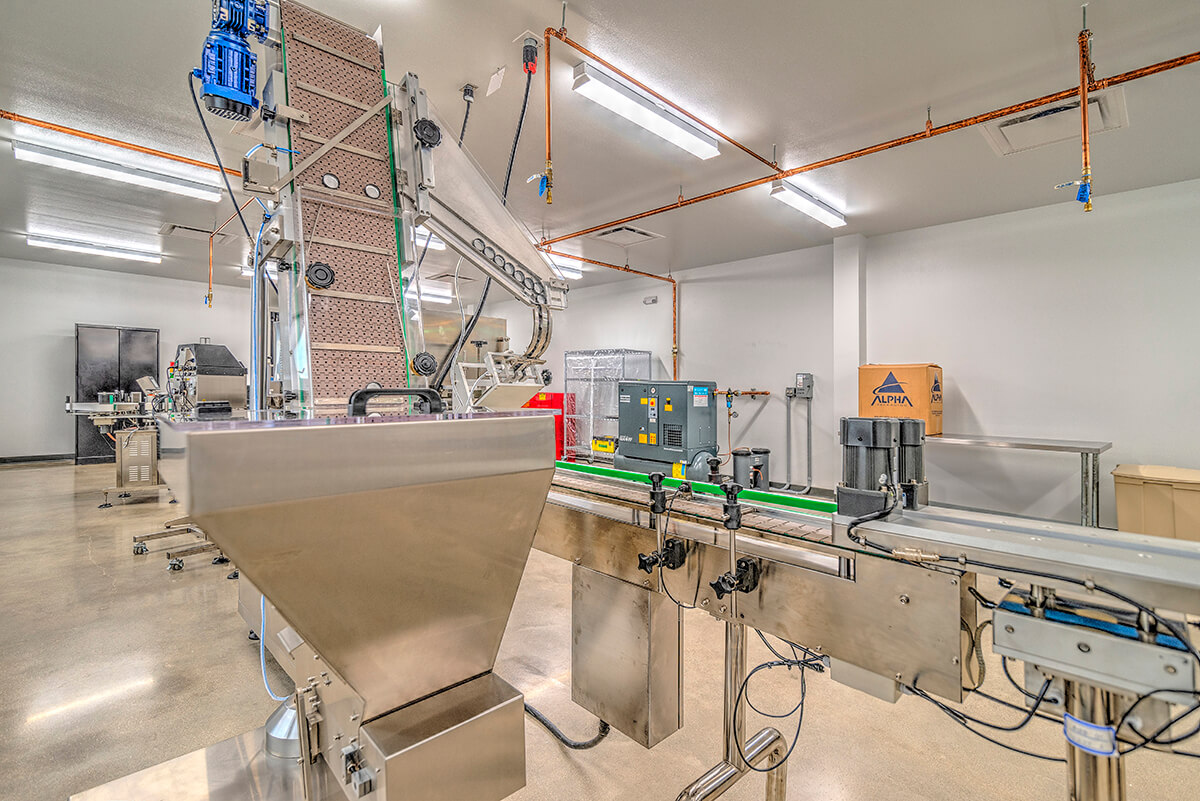
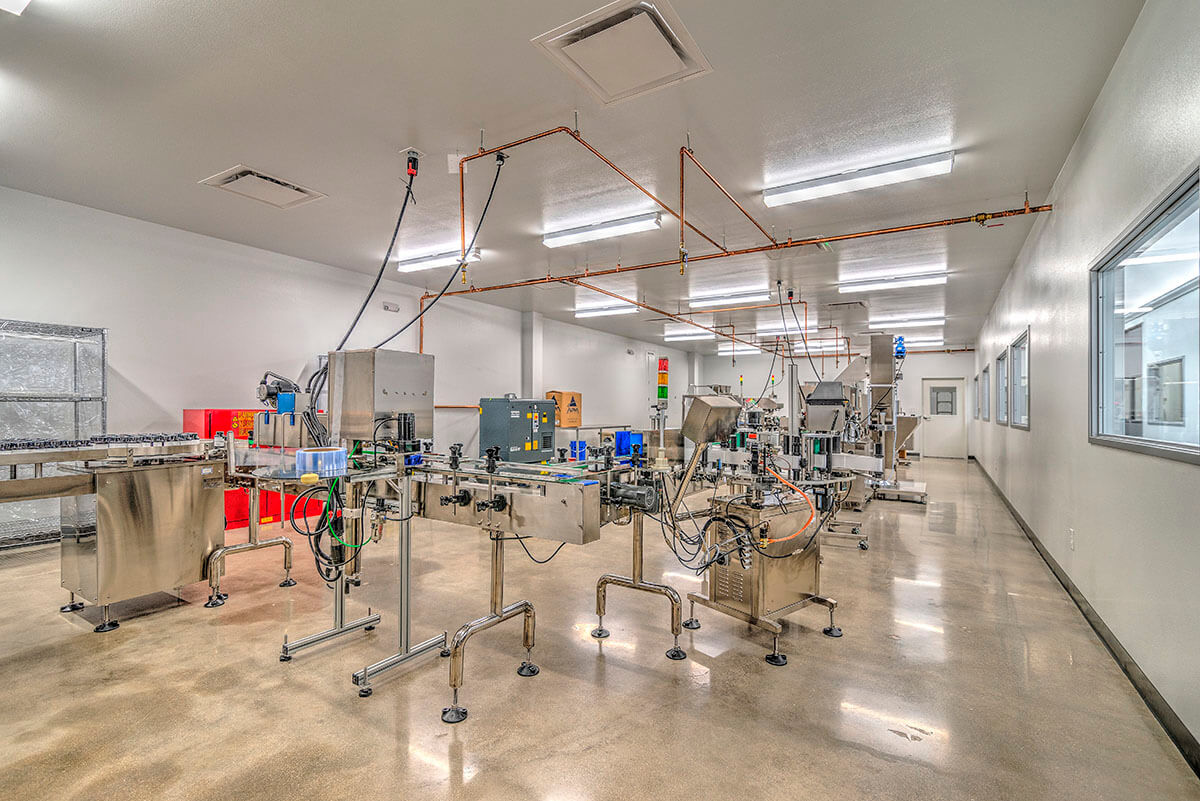
Veritacor, based in Luling, Texas, is a GMP-certified, NSF-certified, FDA-registered contract supplement manufacturer serving brands of all sizes from startups launching their first product to global enterprises scaling to millions of units. With over 50 years of combined team experience, Veritacor offers the expertise and flexibility that growing supplement brands need.
Why It Matters: Choosing a manufacturer without proper GMP or NSF certification is one of the most common and costly mistakes new supplement brand owners make. Not only does it expose your customers to risk, it exposes your business to FDA enforcement actions, product recalls, and irreparable brand damage.
Step 5: Develop Your Product Formula
Whether you go custom or private label, work closely with your manufacturer’s formulation team to finalize your product. Key considerations include:
- Active ingredients and their clinically studied dosages
- Delivery form capsule, tablet, powder, softgel, liquid, or gummy
- Flavor (for powders and gummies)
- Fillers, binders, and excipients do these align with your clean-label positioning?
- Shelf stability and packaging compatibility
- Allergen considerations (gluten-free, dairy-free, vegan, non-GMO)
Your formula must also comply with FDA regulations for dietary supplements under 21 CFR Part 111. A reputable manufacturer will guide you through this, but it is your responsibility as the brand owner to ensure compliance.
Step 6: Navigate Legal and Regulatory Requirements
The supplement industry in the United States is regulated by the FDA under the Dietary Supplement Health and Education Act (DSHEA) of 1994. Key regulatory obligations include:
- Registering your business with the FDA (required for manufacturers; brands selling under their own label must also comply)
- Following cGMP regulations (21 CFR Part 111)
- Using only approved health claims structure/function claims are permitted; disease claims are not
- Filing a New Dietary Ingredient (NDI) notification if your formula includes ingredients not marketed before 1994
- Maintaining accurate supplement facts panels that comply with FDA labeling requirements
- Implementing adverse event reporting systems
It is strongly advised to work with a regulatory consultant or attorney familiar with dietary supplement law, particularly as your business scales.
Step 7: Design Your Packaging and Labels
Packaging is your silent salesperson. In a crowded supplement market, the difference between a sale and a scroll-past often comes down to label design. Your packaging must:
- Comply with FDA labeling requirements (Supplement Facts panel, serving size, ingredient list, warnings)
- Clearly communicate your brand and product benefits
- Use high-quality design that stands out in your retail or online environment
- Include QR codes linking to third-party testing results to build trust
- Reflect your brand values eco-friendly packaging, for example, resonates strongly with health-conscious consumers
Step 8: Set Up Your Sales Channels
How you plan to sell your supplement brand shapes everything from your MOQ requirements to your packaging needs. Common channels include:
- Direct-to-consumer (DTC) website highest margins, full brand control, requires strong digital marketing
- Amazon massive reach but competitive; requires strong SEO and review strategy
- Health food retail Whole Foods, Sprouts, local health stores requires slotting fees and broker relationships
- Practitioner channels selling through chiropractors, nutritionists, and integrative medicine doctors
- Gym and fitness center wholesale
- Subscription box collaborations
Most new supplement brands start DTC or on Amazon, then expand to wholesale and retail as revenue grows and cash flow stabilizes.
Step 9: Plan Your Marketing and Launch Strategy
A great product without marketing is just inventory. Your go-to-market strategy should include:
- A professional, SEO-optimized website with strong product pages and educational blog content
- Social media presence on platforms where your audience spends time (Instagram, TikTok, YouTube for most health and wellness brands)
- Influencer partnerships with credible health and fitness creators
- Email marketing from day one build a list before and after launch
- Paid advertising on Meta and Google once you have proven organic traction
- Content marketing educational content builds trust and drives organic search traffic
- Customer reviews and testimonials social proof is essential in the supplement industry
Step 10: Scale Strategically
Once you have validated your first product and are generating consistent revenue, it is time to think about scaling. This might mean:
- Expanding your product line to serve more of your customer’s needs
- Increasing production volume to reduce per-unit costs
- Entering new sales channels
- Building out your team with dedicated customer service, marketing, and operations staff
- Investing in brand building PR, podcast appearances, thought leadership
Read More: Quality Control in Supplement Manufacturing: Testing Methods and Safety Standards
How to Make Your Own Dietary Supplements: The Formulation Deep Dive
If you are serious about understanding how to make your own dietary supplements, here is a closer look at what that process actually involves at the manufacturing level.
Ingredient Sourcing
Raw ingredient quality is the foundation of supplement quality. Reputable manufacturers source from certified suppliers who provide certificates of analysis (COAs), heavy metal testing reports, and microbiological testing data. Veritacor implements rigorous identity and purity testing on every raw material that enters its Texas facility.
Blending and Manufacturing
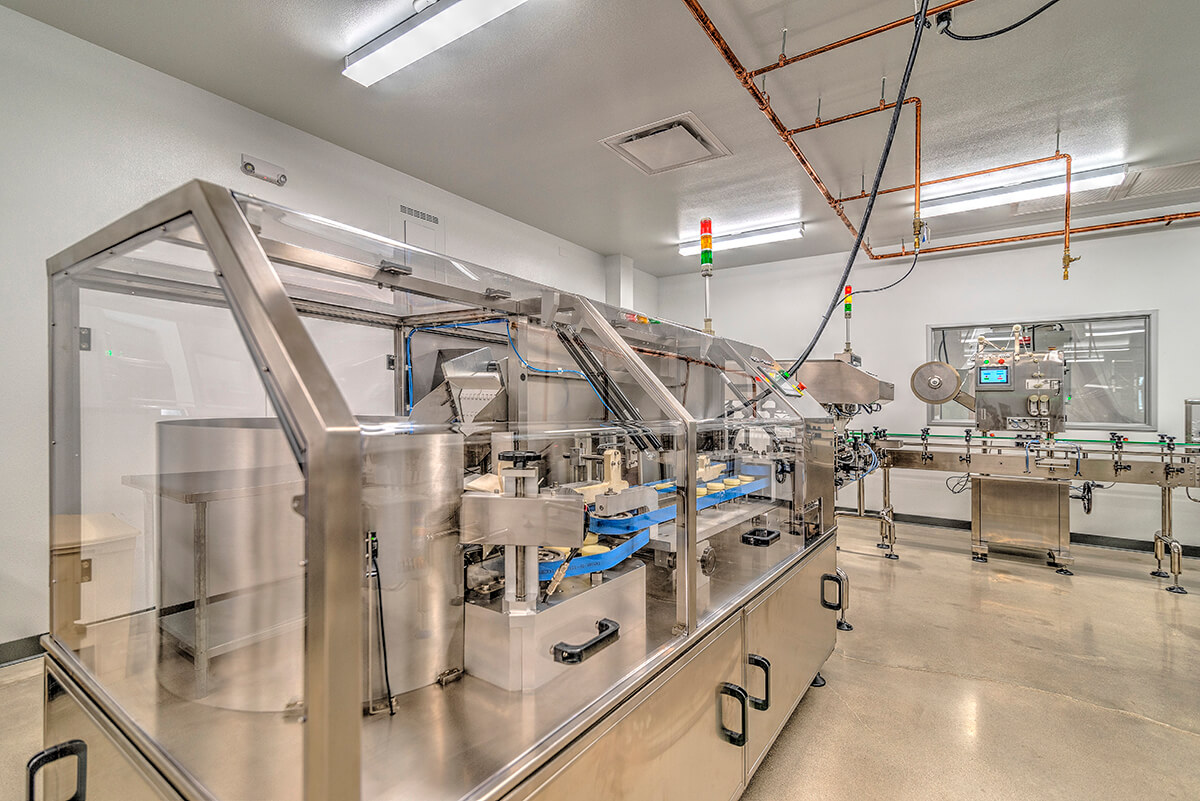
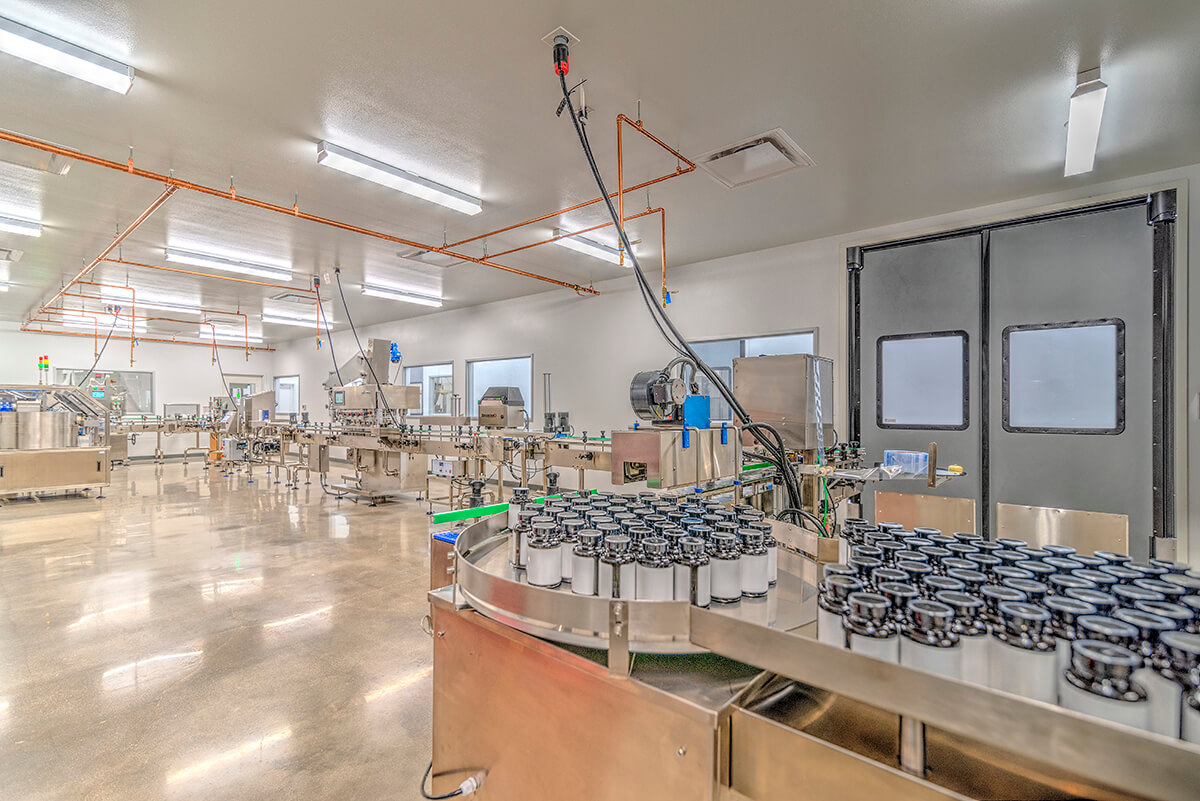
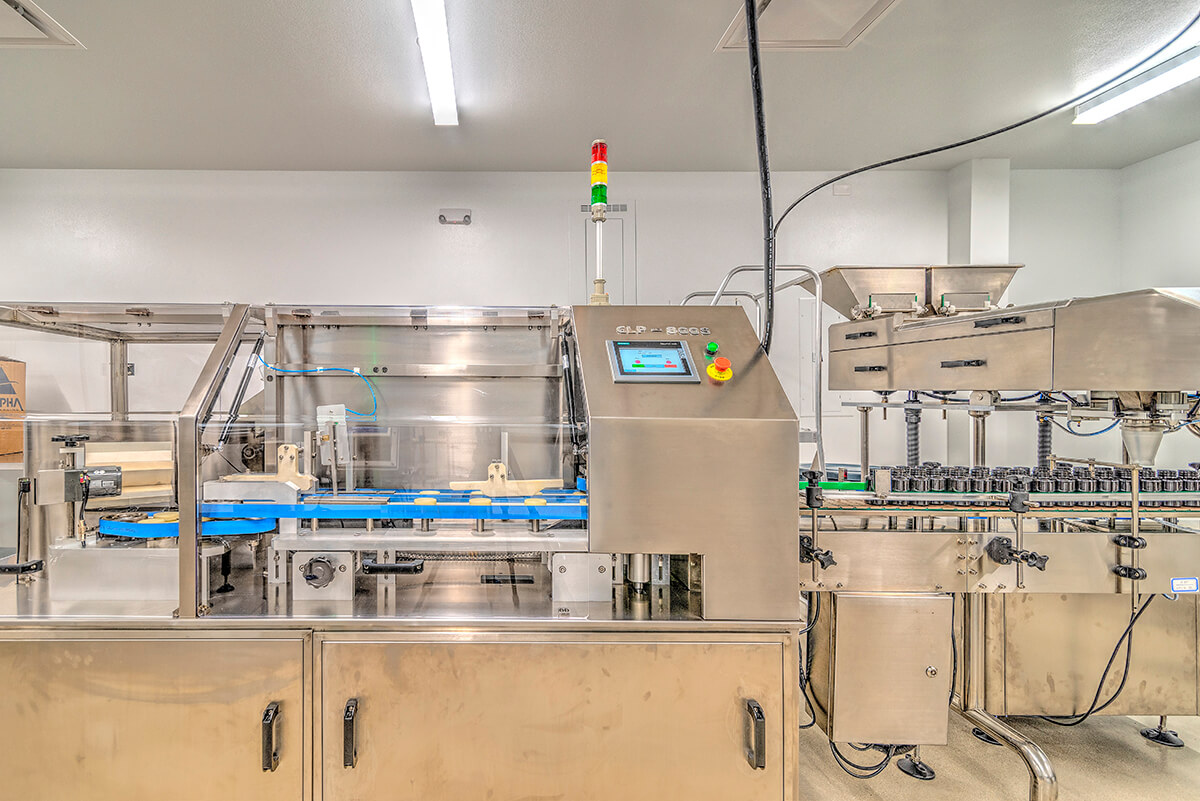
Once ingredients are verified, the blending process begins. For capsules and tablets, this involves precise weighing, mixing, and encapsulation or compression. For powders, blending uniformity is critical to ensure every serving delivers the same dose. For softgels and liquids, specialized equipment and expertise are required.
Quality Control and Testing
After manufacturing, finished products undergo testing for potency, purity, and safety. Testing typically includes:
- Identity testing confirms each ingredient is what it claims to be
- Potency testing confirms label claims are accurate
- Microbiological testing screens for harmful bacteria, mold, and yeast
- Heavy metals testing screens for lead, arsenic, mercury, and cadmium
- Stability testing confirms the product maintains potency through its shelf life
Read More: Launching a Supplement Brand? Avoid These 5 Crucial Mistakes
How to Start a Private Label Supplement Business
For those looking for the fastest path to market, starting a private label supplement business is the most accessible route. Here is a condensed roadmap:
- Identify a product category and niche with proven demand
- Select a reputable GMP/NSF-certified manufacturer with a robust private label catalog
- Choose your formula, delivery form, and quantity
- Work with the manufacturer on custom label design that meets FDA requirements
- Set up your LLC or corporation, obtain necessary business licenses
- Register your brand with the FDA and ensure labeling compliance
- Build your online storefront or Amazon listing
- Launch with a targeted marketing campaign and gather early reviews
Veritacor offers comprehensive private label supplement services, allowing you to bring a professional, market-ready product to consumers faster and more affordably than building a custom formula from scratch.
Making and Selling Your Own Supplements: Key Costs to Budget For
Understanding your startup costs is essential for building a sustainable supplement business. Here is a realistic overview of what to budget:
- Custom formulation development: $1,500 to $5,000+ depending on complexity
- Minimum order quantity (MOQ) for first production run: $3,000 to $15,000+ depending on product and quantity
- Packaging and label design: $500 to $3,000
- Website development: $1,000 to $10,000+
- Initial marketing budget (ads, influencers, content): $2,000 to $10,000+
- Regulatory consultation: $500 to $2,500
- Business registration, LLC formation, trademark: $500 to $2,000
Total startup costs for a lean private label launch can range from $10,000 to $30,000. Custom formulation launches typically require $25,000 to $75,000+ to execute properly. These are averages your actual costs will depend on your specific product, quantities, and market strategy.
How to Start a Vitamin Company: Specific Considerations
If your focus is on vitamins specifically, there are some additional nuances to keep in mind. The vitamin market is one of the most competitive segments of the supplement industry. To differentiate:
- Focus on bioavailability methylated B vitamins, liposomal vitamin C, and K2+D3 combinations are examples of premium differentiation
- Consider specialized delivery forms like sublingual tablets or liposomal liquids
- Target specific demographics prenatal vitamins for expecting mothers, senior multivitamins with higher B12, or teen formulas
- Emphasize certifications NSF, Informed Sport, or vegan certification for premium positioning
- Clean label positioning is especially powerful in the vitamin category non-GMO, no artificial colors, no titanium dioxide
Read More: How to Find a Supplement Manufacturer for Your Brand (White Label & Private Label Guide)
Food Supplement Business vs. Health Supplement Business: What Is the Difference?
The terms food supplement and health supplement are often used interchangeably, but there are nuances worth understanding. In the United States, dietary supplements fall under the broader FDA framework for food products, governed by DSHEA. In the UK and EU, the term food supplement is the regulatory standard term.
Regardless of terminology, the key principles are the same: your product must be safe, accurately labeled, and manufactured under appropriate quality standards. If you plan to sell internationally, work with a manufacturer experienced in multi-market regulatory compliance.
Why Partner with Veritacor for Your Supplement Business Launch?
Launching a supplement brand is one of the most exciting entrepreneurial journeys you can take but it is not without complexity. The right manufacturing partner makes all the difference. Veritacor, located in Luling, Texas, is a family-owned, GMP-certified, NSF-certified, FDA-registered supplement manufacturer with over 50 years of combined team experience and a track record of helping brands at every stage from first-time entrepreneurs to global enterprises.
Here is what sets Veritacor apart as your supplement manufacturing partner:
- Custom formulation and private label capabilities under one roof
- Flexible batch sizes scale from startup quantities to millions of units
- Rigorous quality control including identity, potency, and microbiological testing
- Eco-friendly packaging options to align with your brand values
- End-to-end support from concept to finished product delivery
- Transparent pricing, open communication, and genuine client partnerships
Ready to launch your supplement brand? Contact Veritacor today at veritacor.com or call +830 875 5222 to schedule your free consultation. Our team is ready to help you turn your vision into a market-ready product with precision, quality, and speed.
Read More: Supplement Manufacturing Cost: How Much Does It Cost to Start a Supplement Company?
Frequently Asked Questions
Q: How long does it take to launch a supplement brand?
A: With a private label model, you can get to market in as little as 4 to 8 weeks. Custom formulation typically takes 90 to 120 days from concept to finished product. Timeline depends on formula complexity, ingredient availability, and label design approval.
Q: Do I need my own manufacturing facility to start a supplement company?
A: Absolutely not. The overwhelming majority of successful supplement brands use contract manufacturers like Veritacor. This eliminates the need for massive capital investment in equipment, facilities, and production staff.
Q: What certifications does my manufacturer need?
A: At minimum, your manufacturer should hold GMP certification and operate in an FDA-registered facility. NSF certification is an additional mark of quality that can differentiate your products in the market. Veritacor holds both GMP and NSF certifications.
Q: Can I sell supplements from home?
A: You can operate your supplement brand from home, but you cannot manufacture supplements at home legally. All dietary supplements must be manufactured in FDA-registered, GMP-compliant facilities. Your role as a brand owner is marketing, selling, and growing leave the manufacturing to certified experts.
Q: How much does it cost to create your own supplement brand?
A: Startup costs vary widely but a realistic budget for a private label launch starts around $10,000 to $25,000. A fully custom-formulated brand launch with proper marketing can require $50,000 or more. Working with an experienced manufacturer helps optimize costs without compromising quality.