

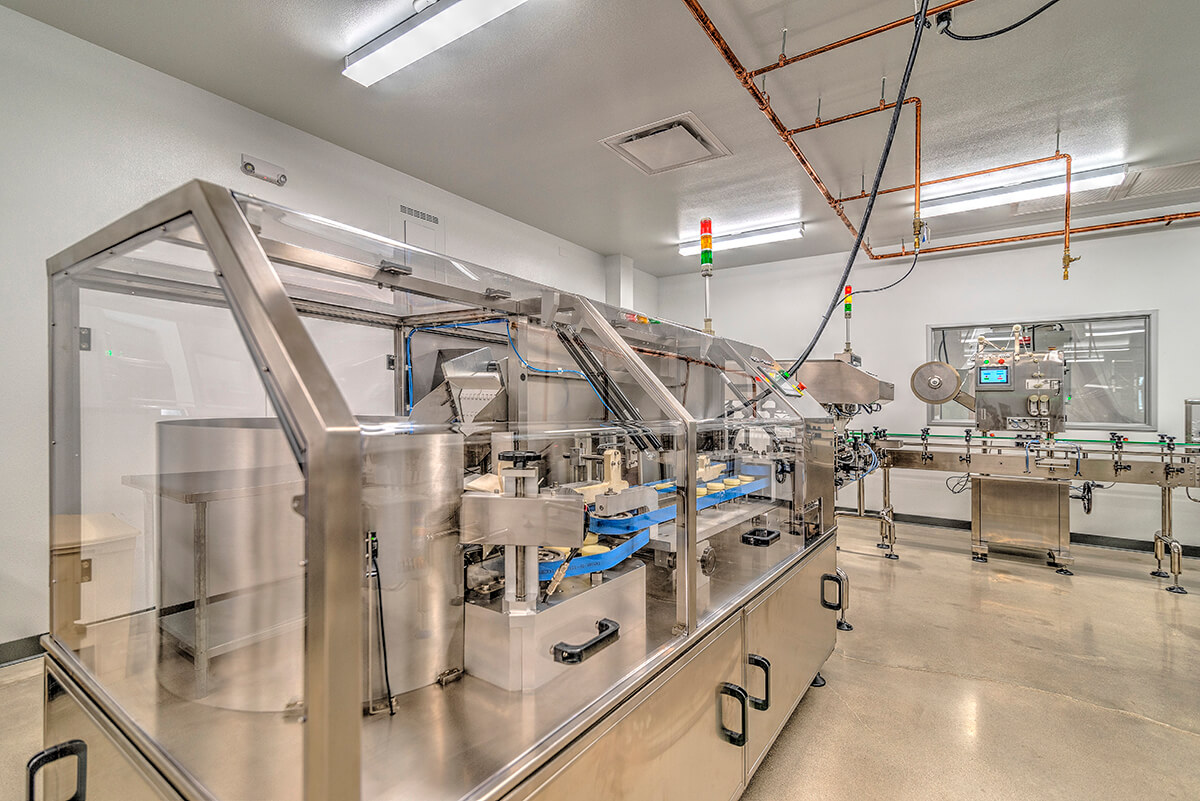
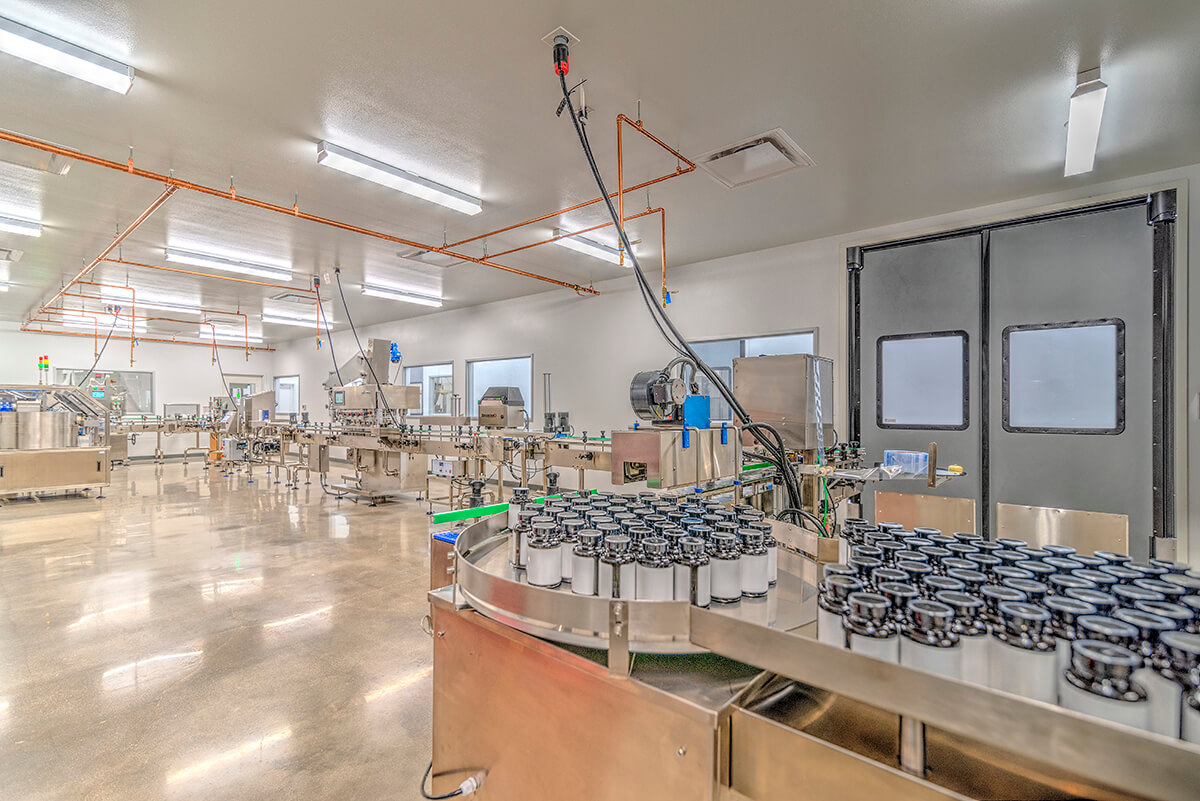
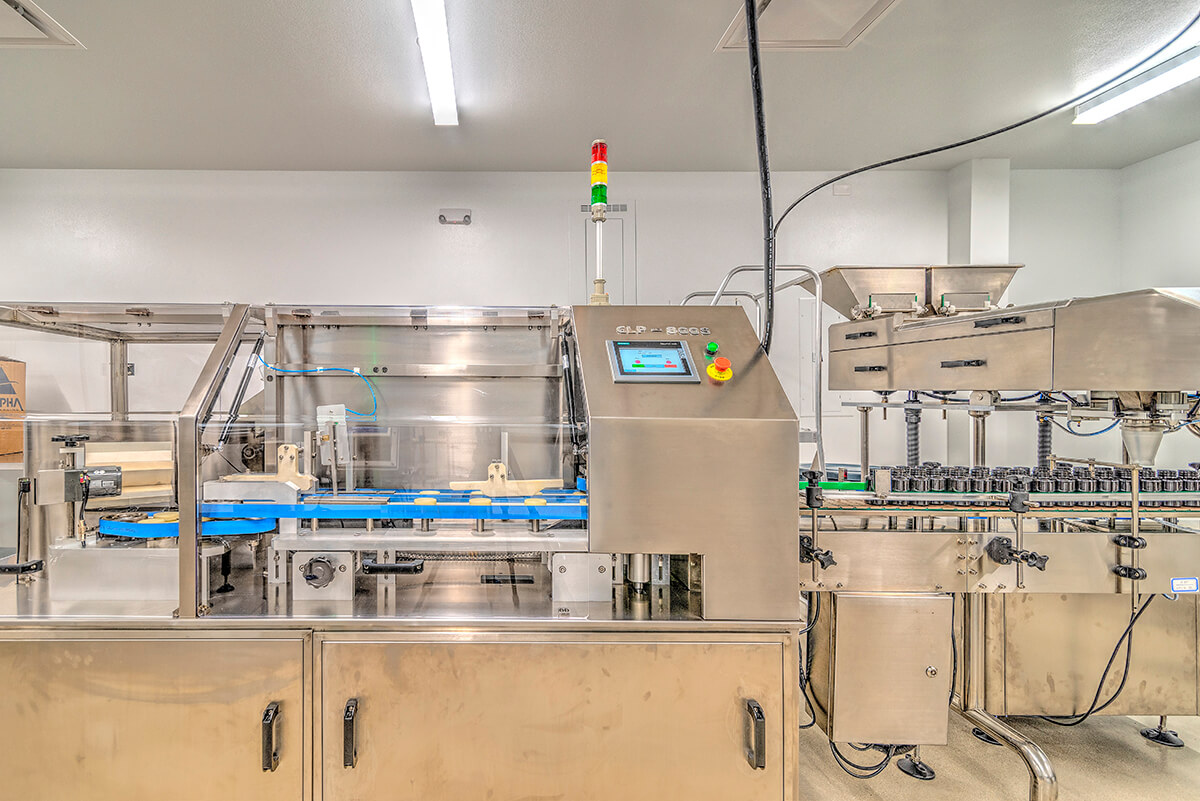
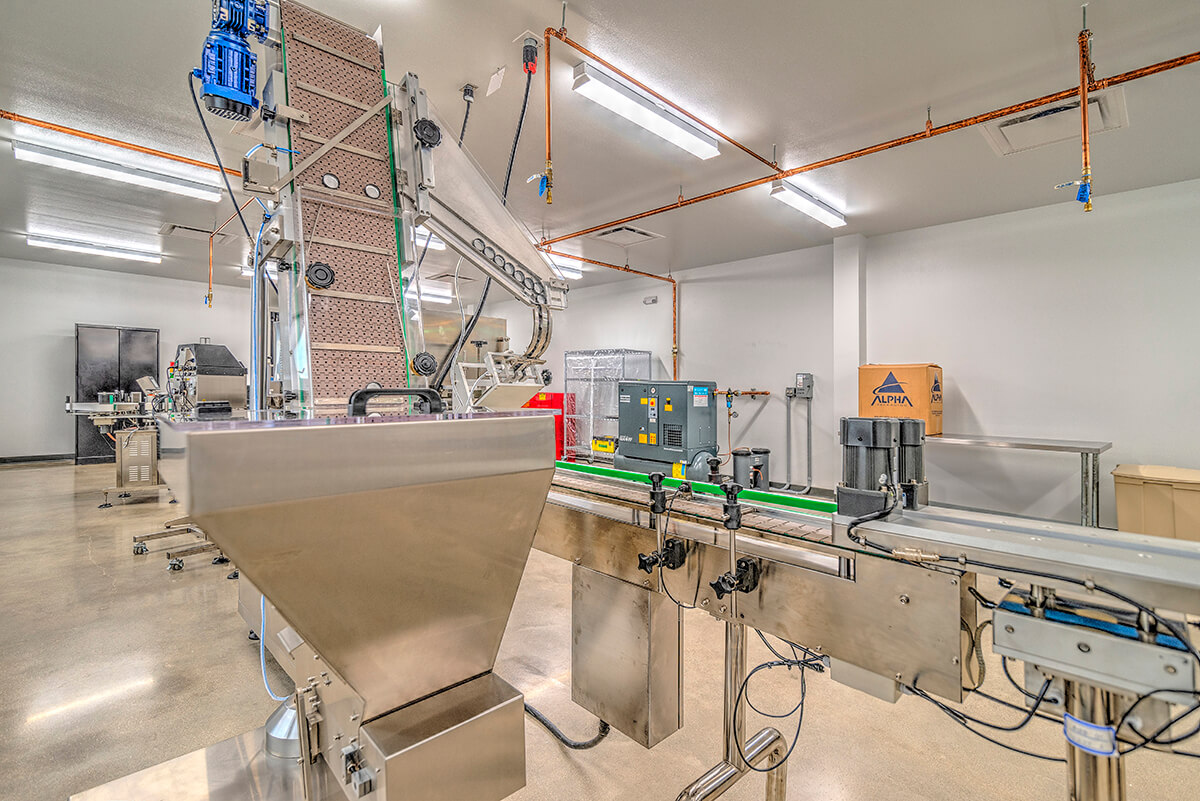
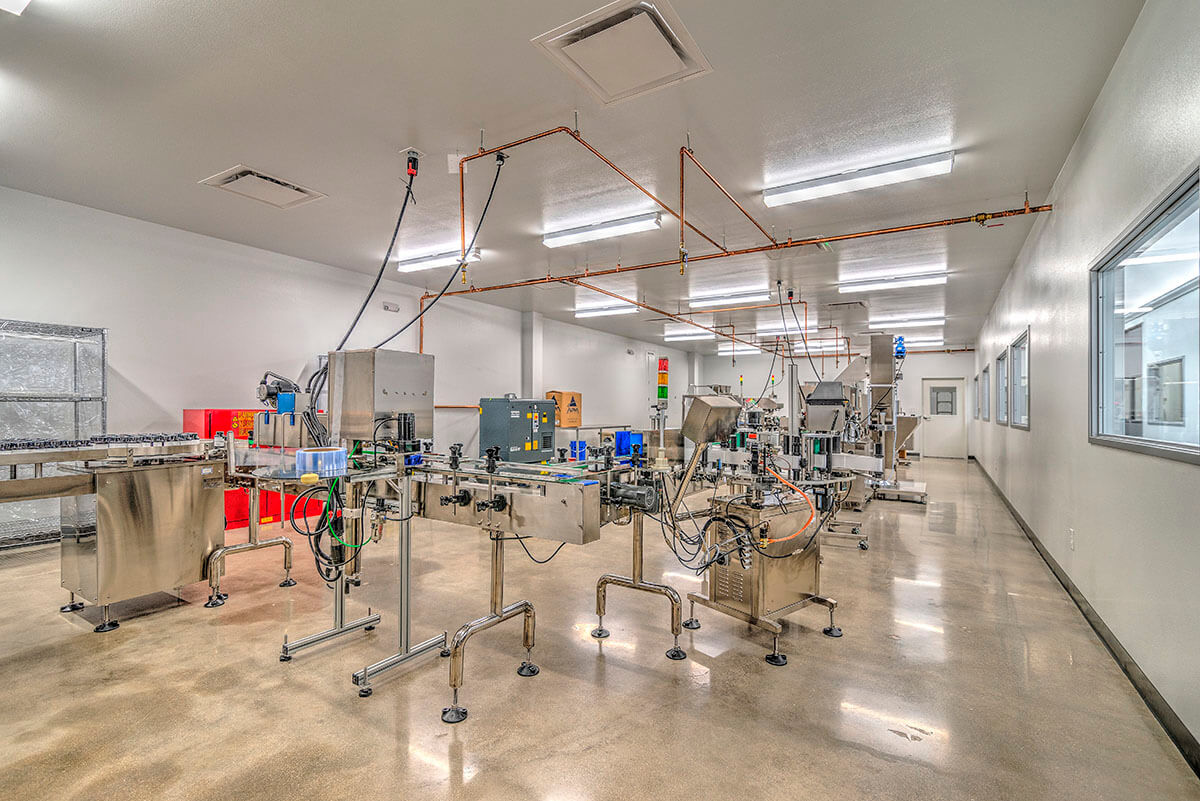



If you have ever wondered how to make your own supplements, the honest answer is that very few brands do it entirely alone. Behind almost every capsule, powder, or gummy on the market is a custom supplement formulation partner handling the science, sourcing, and compliance work that turns an idea into a finished product. This guide walks through what custom supplement formulation actually involves, why most successful brands rely on a manufacturing partner rather than building a formula from scratch on their own, and how the process works from the first conversation to a market-ready product.
What Does It Take to Make Your Own Supplements?
Making your own supplements involves more than mixing ingredients together. A real dietary supplement formulation has to account for dosage accuracy, ingredient interactions, shelf stability, and FDA labeling rules before it ever reaches a customer. At a minimum, creating your own supplement formula requires:
- A clear product goal (performance, wellness, recovery, immunity, and so on)
- Ingredients that are sourced, identity-tested, and verified for purity
- A format decision—capsule, tablet, powder, or gummy
- Batch testing to confirm the formula is stable and consistent
- Label compliance with FDA supplement facts and claims rules
This is why most brand owners choose to work with an experienced formulator rather than attempting each of these steps independently.
Why Choose Custom Supplement Formulation Over Building a Formula Alone?
It is technically possible to research ingredients and try to build a formula yourself, but without lab access, regulatory knowledge, and manufacturing equipment, most DIY attempts stall before they ever reach production. Custom supplement formulation solves this by pairing your product vision with a team that already has the science, equipment, and compliance systems in place.
Working with a formulation partner also protects you from common early mistakes, such as:
- Underestimating ingredient costs at real production volumes
- Choosing raw materials that are not third-party verified for purity
- Missing FDA labeling requirements, which can delay a launch
- Skipping stability testing, which can shorten shelf life unexpectedly
How Does the Custom Supplement Formulation Process Work?
A structured custom supplement development process generally follows three stages:
- Share your vision. You explain your product goals, target customer, and any ingredients you already have in mind. The formulation team uses this to build an initial plan.
- Develop the product. Formulators build the recipe, source verified raw materials, and plan packaging while keeping your budget and timeline in mind.
- Test and launch. The formula goes through quality testing, including identity and purity checks, before moving into full production and delivery.
Because this process is handled by a team that already has GMP-compliant systems, batch record-keeping, and testing protocols in place, most custom formulas move from concept to production far faster than an independent effort could manage.
How to Create Your Own Supplement Formula, Step by Step
If you are ready to move from idea to product, here is what the journey typically looks like:
- Define the outcome you want your supplement to deliver.
- Decide on a format: capsule, tablet, powder, or gummy.
- Work with a formulator to select and dose ingredients.
- Request a small pilot batch to test taste, texture, and stability.
- Review the Certificate of Analysis (COA) for purity and potency.
- Approve packaging, labeling, and compliance details.
- Move into full-scale production.
This sequence applies whether you are formulating a sports nutrition product, a wellness blend, or a functional food supplement.
Custom Supplement Development vs. Private Label: Which Is Right for You?
Not every brand needs a fully custom formula right away. It helps to understand the difference before you start:
- Custom supplement formulation: built from the ground up around your specific goals, ingredients, and dosing—best for brands that want to differentiate.
- Private label: you select an existing, proven formula and apply your own branding—best for a faster, lower-cost launch.
Many brands start with a private label product to enter the market quickly, then move into custom supplement development once they understand their customer base and are ready to build something proprietary.
What Ingredients and Formats Can Go Into Your Custom Formula?
A good formulation partner should be able to support a wide range of categories and delivery formats, including:
- Capsules, tablets, powders, and gummies
- Protein and sports nutrition blends
- Adaptogens and clean-label formulas
- Nootropic, weight management, and anti-aging products
- Functional food supplement formulation for bars, blends, and beverages
Whether you are working on a sports nutrition line or a general wellness product, the same core process applies: define the goal, source the ingredients, test the formula, and confirm compliance before launch.
FAQs About Custom Supplement Formulation
What is custom supplement formulation?
Custom supplement formulation is the process of building a dietary supplement from the ground up, based on a brand’s specific goals, ingredients, and dosage requirements, rather than using an existing formula.
Can I create my own supplement formula without manufacturing experience?
Yes. Most brand owners have no manufacturing background. A formulation partner handles the science, sourcing, and compliance, while you focus on the product vision and brand.
How long does custom supplement development take?
Timelines vary based on formula complexity and ingredient sourcing, but most projects move from initial concept to pilot batch within a few weeks, with full production following after testing is approved.
What is the minimum order quantity for a custom formula?
Minimums depend on the format and complexity of the formula. Capsule and powder projects typically start in the low thousands of units, and a formulation partner can walk you through options based on your budget.
Do I need an NDA to protect my formula idea?
A reputable manufacturing partner will sign a Non-Disclosure Agreement before any technical discussion begins, so your ingredient ratios and product concept remain yours.
Is food supplement formulation different from dietary supplement formulation in the US?
In the United States, the correct regulatory term is dietary supplement, not food supplement, which is more commonly used internationally. If you are building a US-market product, dietary supplement formulation is the term that applies to FDA labeling and compliance.
Ready to Turn Your Idea Into a Formula?
Veritacor helps startups, Amazon sellers, and established wellness brands move from an initial idea through formulation, testing, and production.