

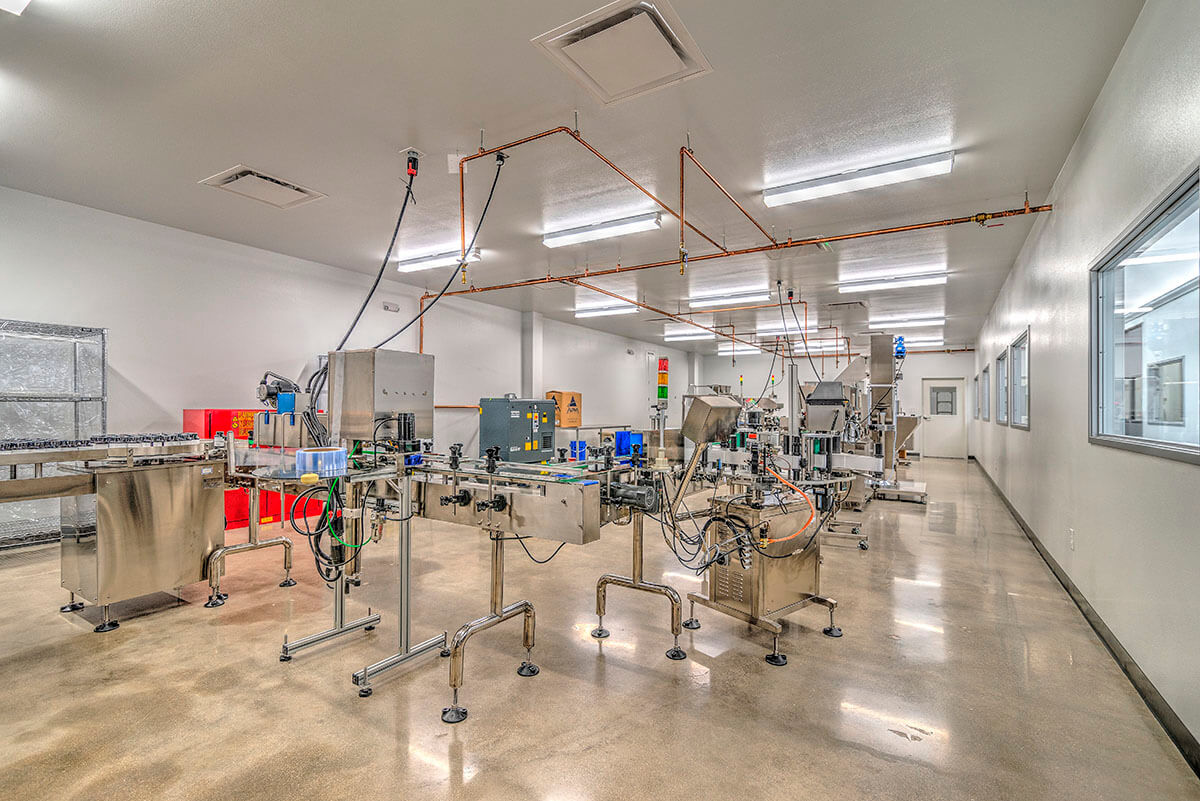
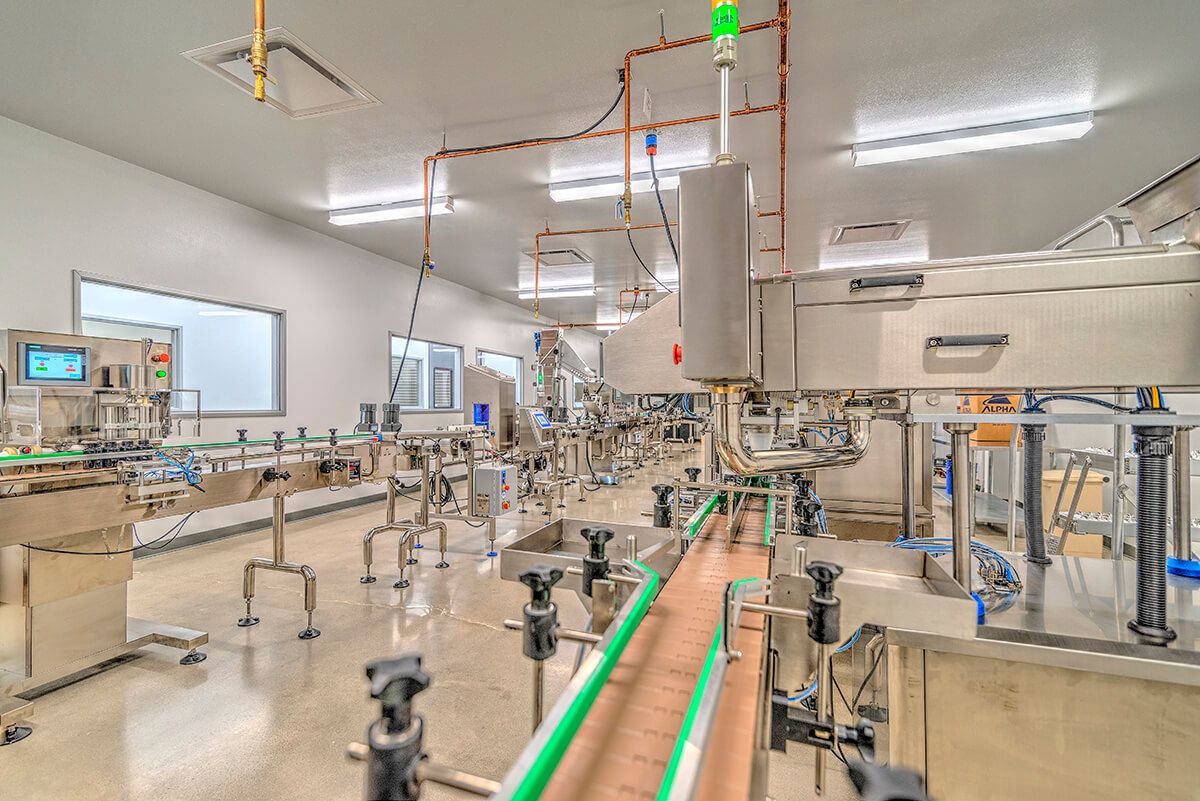


If one factory makes every unit of your best-selling product, one bad month at that factory becomes your bad month. A missed production slot, a delayed ingredient, or a batch on hold can empty your inventory, pause your ads, and cost you marketplace ranking.
That is why growing brands add a second source supplement manufacturer to their supply chain before they need one. This guide explains what second-source manufacturing is, how the main models work, what it costs, and how to set it up without touching your current formula.
What is second-source manufacturing? It means qualifying a second manufacturer to make the same product to the same written specifications as your primary manufacturer. The backup can handle part of your volume every month or sit ready as a standby.
Why brands use it: to avoid a single point of failure when capacity, ingredients, or quality problems disrupt supply.
What Is Second-Source Manufacturing?
Second-source manufacturing, also called dual sourcing, is the practice of approving two manufacturers for one product. Both follow the same master specifications. Both prove they can produce a product that passes the same tests.
It is different from switching. When you switch, the old manufacturer leaves the picture. With second sourcing, both stay in the picture and your brand controls the specifications that connect them.
Why Do Growing Brands Rely on More Than One Manufacturer?
Risk grows with revenue. A product that makes up most of your sales deserves more protection than a test SKU. These are the most common triggers:
- Capacity limits. Your manufacturer is booked and your next run is pushed back.
- Ingredient shortages. A raw material is delayed or goes on allocation.
- Quality holds. A batch fails testing and production stops until it is resolved.
- Facility downtime. Equipment failures or scheduling conflicts can pause a line.
- Marketplace pressure. A stockout on Amazon can drop rankings that take months to rebuild.
- Negotiating leverage. A brand with one option has little room to negotiate price or lead time.
- Channel growth. Retail, e-commerce, and wholesale orders can strain a single supplier at once.
Can You Use Two Manufacturers for the Same Product Line?
Yes, as long as three things are true:
- Your contracts allow it. Check for exclusivity and minimum purchase commitments before approaching anyone.
- Both manufacturers work from the same written specifications. The specification, not the factory, defines the product.
- Your formula stays protected. Sign an NDA with each manufacturer. Choose partners that agree never to share or repurpose your formulations.
Remember that you, as the brand owner, remain responsible for the product that carries your name. Using two manufacturers does not split that responsibility, so quality oversight should not be split either.
How Does a Backup Manufacturer Protect Your Brand From Supply Chain Risk?
| Risk | What a Qualified Backup Does |
|---|---|
| Capacity shortage | Lets you place the order elsewhere instead of waiting for the next open slot. |
| Ingredient delay | Gives you a second procurement network that may source the ingredient differently. |
| Failed batch or quality hold | Keeps the product flowing while the root cause is investigated. |
| Facility downtime | Removes the single point of failure. |
| Pricing and lead time pressure | Gives you a credible alternative in negotiations. |
| Sudden relationship breakdown | Turns an emergency search into a planned handover. |

Why Is Leaving Supplement Manufacturers Without a Backup So Risky?
Brands that end up leaving supplements manufacturers abruptly, whether over quality, price, or service, face the hardest version of the problem. They need a new partner, a formula transfer, a pilot batch, and a full production run, all while inventory runs down. Our guide on how to switch supplement manufacturers without disrupting your supply chain shows that this process often takes 10 to 18 weeks.
A second source shortens that gap to the time it takes to place an order. It also gives you a calmer position when a relationship is not working, because you can leave on your terms.
How Do You Bring On a Second Manufacturer Without Disrupting Your Current Formula?
Your current manufacturer keeps producing the whole time. Nothing about your live product changes until the second source is fully approved.
- Review your current agreement. Look for exclusivity, formula ownership, and minimum purchase terms. Ask an attorney if anything is unclear.
- Lock a master specification package. Include the formula with ingredient forms and grades, finished product specifications, test methods, packaging specifications, and label files.
- Sign an NDA first. Sign it with the new manufacturer before sharing any formula details.
- Qualify the second source supplement manufacturer. Check FDA registration, cGMP compliance, NSF certification where you need it, sample Certificates of Analysis, and capacity. Tour the facility if you can.
- Run a pilot batch. Compare it with a retained sample of your current product for identity, potency, appearance, and for powders, taste and mixability.
- Add change control. Agree in writing that no formula, ingredient, or supplier change happens at either site without your approval.
- Start small. Begin with a standby order or a modest share of volume. Review the first three batches before increasing it.
- Review regularly. Compare Certificates of Analysis, lead times, and customer feedback from both sites every quarter.

What Should You Look for in a Second Source Supplement Manufacturer?
- An FDA-registered facility operating under cGMP (21 CFR Part 111)
- NSF certification if your retailers or marketplaces require it
- Experience with your format, such as capsules, tablets, powders, or stick packs
- A Certificate of Analysis with every batch
- Minimum order quantities that fit a split or standby volume
- Clear communication and quick answers on formula questions
- Retail and Amazon-ready packaging with UPC and FNSKU barcoding
- An independent facility, so a problem at one site does not automatically affect the other
Ready to Add a Backup to Your Supply Chain?
The best time to qualify a second source supplement manufacturer is while your current supply is healthy. Veritacor will review your specifications, sign an NDA first, and outline a pilot plan that leaves your current production untouched.
Ready to protect your brand with a trusted USA manufacturer? Request your free quote today and let Veritacor help you build a more resilient supply chain.
Contact: info@veritacor.com | +1 (830) 875-5222