



How to Switch Supplement Manufacturers Without Disrupting Your Supply Chain
Changing manufacturers feels risky because your product is already on shelves, in Amazon warehouses, or in your clients’ hands. A stockout costs sales and search rankings. A poorly transferred formula costs customer trust. The good news is that most problems brands face when they switch supplement manufacturer partners come from skipped preparation, not from the move itself.
This guide covers the full transfer process, the documents you need, realistic timelines, and the questions to ask a new partner. It is written for brand owners who already have a product in market and cannot afford a gap in supply.
How do you change supplement manufacturers without stopping production? Keep your current manufacturer running until the new one passes a pilot batch. Collect your formula, specifications, and test records. Qualify the new facility, sign an NDA before sharing your formula, and compare a pilot batch against your current product. Build safety stock, then hand over production in planned stages.
Typical timeline: about 10 to 18 weeks after the formula is approved.
What Does It Mean to Move a Supplement to a New Manufacturer?
Moving a supplement to a new manufacturer is called a technical transfer. You hand a new facility everything it needs to reproduce your product: the formula, ingredient specifications, test methods, packaging details, and label requirements. The new manufacturer then proves it can match your product before it takes over production.
A transfer is not a copy and paste job. Equipment, excipients, and raw material suppliers can differ between facilities, so the goal is a finished product that meets the same specifications, not an identical process.
Why Do Brands Change Supplement Manufacturers?
Brands rarely leave a manufacturer that works. These are the reasons we hear most often:
- Missed lead times and unpredictable delivery dates
- Inconsistent batches, failed testing, or missing Certificates of Analysis
- Minimum order quantities that no longer fit the brand’s cash flow
- No NSF certification when a retailer or marketplace requires it
- Little or no formulation support when the brand wants to improve a product
- Capacity limits as the brand grows, or price increases without explanation
- Slow communication and no single point of contact
If two or more of these sound familiar, a switch is worth planning. The key is to plan it, not react to it.
How Do You Switch Manufacturers Without Stopping Production?
Follow these seven steps in order. The principle behind all of them is simple. Your current manufacturer keeps producing until your new manufacturer has proven it can match the product.
Step 1. Review Your Current Agreement
Before you contact anyone, read your supply or manufacturing agreement. Look for:
- Notice periods and termination terms
- Formula ownership and intellectual property clauses
- Minimum purchase commitments and open purchase orders
- Ownership of leftover raw materials and packaging components
- Exclusivity or non-compete language
Have an attorney review anything unclear. This guide is general information and not legal advice.
Step 2. Build Your Transfer Package
Gather the documents listed in the next section. The more complete this package is, the faster a new manufacturer can quote, source, and run a pilot batch.
Step 3. Shortlist and Qualify New Manufacturers
Ranking lists of the best supplement manufacturers can help you build a shortlist, but they cannot tell you whether a facility fits your product. Verify each candidate directly. Ask for current certificates, a sample Certificate of Analysis, and a facility tour. A reliable contract manufacturer of dietary supplements will answer with documents, not promises.
Step 4. Sign an NDA Before You Share the Formula
Your existing NDA does not cover a new company. Sign a fresh NDA first, then share the formula. See the FAQ below for more detail.
Step 5. Run a Pilot Batch and Compare It Side by Side
Ask the new manufacturer to produce a small pilot batch. Then compare it with a retained sample of your current product. Typical checks include:
- Identity, potency, and label claim testing
- Disintegration or dissolution for tablets and capsules
- Taste, mixability, and appearance for powders
- Heavy metals and contamination screening for botanical ingredients
- Stability testing to confirm shelf life
Approve the pilot in writing before anything moves into full production.

Step 6. Overlap Production and Build Safety Stock
Do not end your current production run until the new batch is approved. Place one last order with your current manufacturer sized to cover your pilot, approval, and the new manufacturer’s first production lead time. This overlap is what prevents a stockout.
Step 7. Cut Over and Monitor the First Three Runs
Move production in a planned handover. Track the first three production runs closely. Compare Certificates of Analysis, customer reviews, return rates, and any retailer feedback against your baseline. Once those runs are stable, close out the old relationship.
What Documents Do You Need From Your Current Manufacturer?
Request these items in writing. Some, such as your formula, you should own outright. Others, such as validated test methods and batch records, are often negotiated, so check your contract.
| Document | Why You Need It |
|---|---|
| Master formula with ingredient forms and grades | The exact form matters. For example, one magnesium form behaves very differently from another. |
| Finished product specifications | Defines what “passing” means for potency, appearance, and contaminants. |
| Recent Certificates of Analysis | Shows the quality baseline the new manufacturer must match. |
| Test methods and any validated methods | Lets the new lab test your product the same way. |
| Stability data | Supports your shelf life claim and speeds up approval. |
| Packaging specifications | Bottle, closure, seal, desiccant, and carton details. |
| Label artwork and Supplement Facts files | Avoids rebuilding artwork and introducing label errors. |
| Raw material supplier list | Lets the new manufacturer match or qualify equivalent sources. |
| Complaint and quality records | Highlights known problems the new manufacturer should fix. |
| Retained samples | Gives you a physical reference for side by side comparison. |
What Should You Ask a New Supplement Manufacturer Before Switching?
Whether you are comparing local options or searching for the best supplement manufacturer USA brands trust, define “best” in measurable terms. These questions turn it into a checklist:
- Is the facility FDA-registered and operating under cGMP (21 CFR Part 111)?
- Do you hold NSF certification, and can I see the current certificate?
- What are your minimum order quantities for my format?
- How is every raw material tested for identity and purity before use?
- Will I receive a Certificate of Analysis with every batch?
- Do you have experience with my ingredients and format, such as probiotics, botanicals, or flavored powders?
- What are your current capacity and typical lead times?
- How do you handle formula changes and reformulation requests?
- Do you support retail and Amazon-ready packaging, including UPC and FNSKU barcoding?
- Can I tour the facility and meet the team who will run my product?
How Veritacor Answers These Questions
- Veritacor is an FDA-registered, cGMP-compliant facility in Luling, Texas, with NSF certification.
- Private label products start at 500 units. Custom formulations typically start at 2,000 units.
- Every batch ships with a Certificate of Analysis, backed by raw material testing and finished product testing.
- The team supports capsules, tablets, powders, and stick packs (project dependent), plus reformulation of existing products.
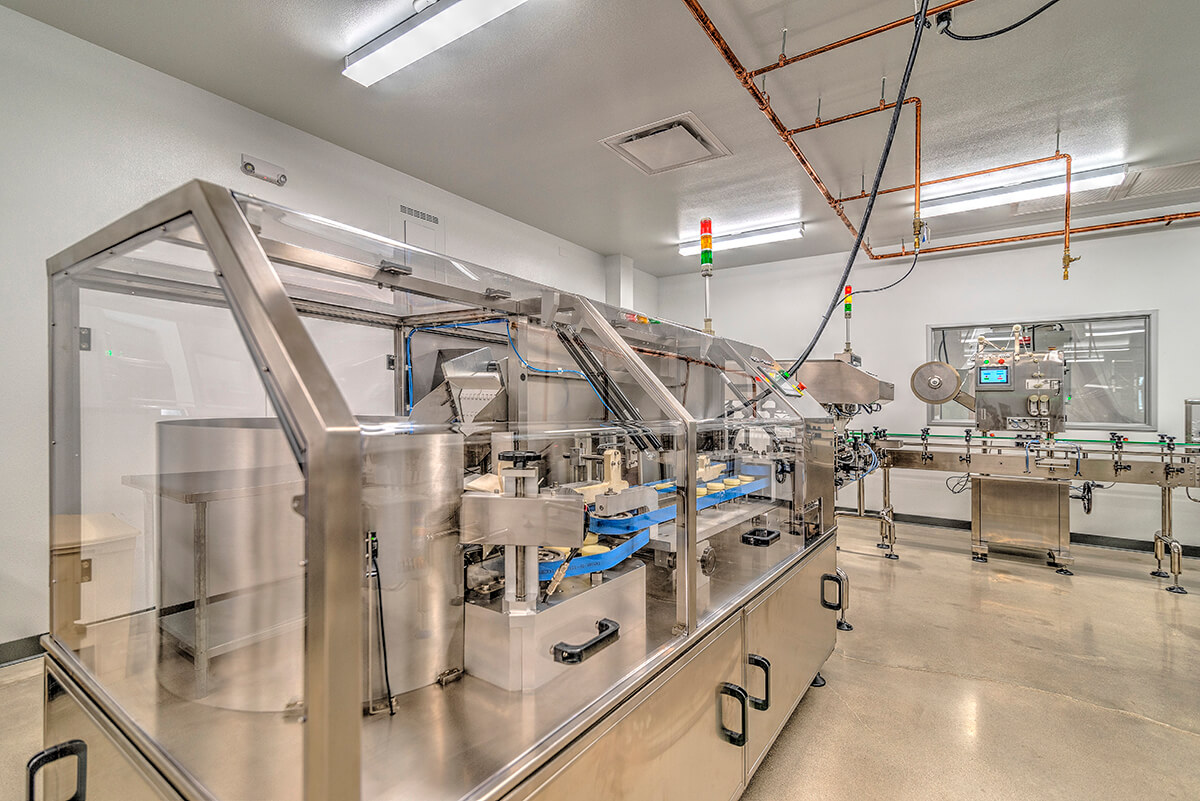
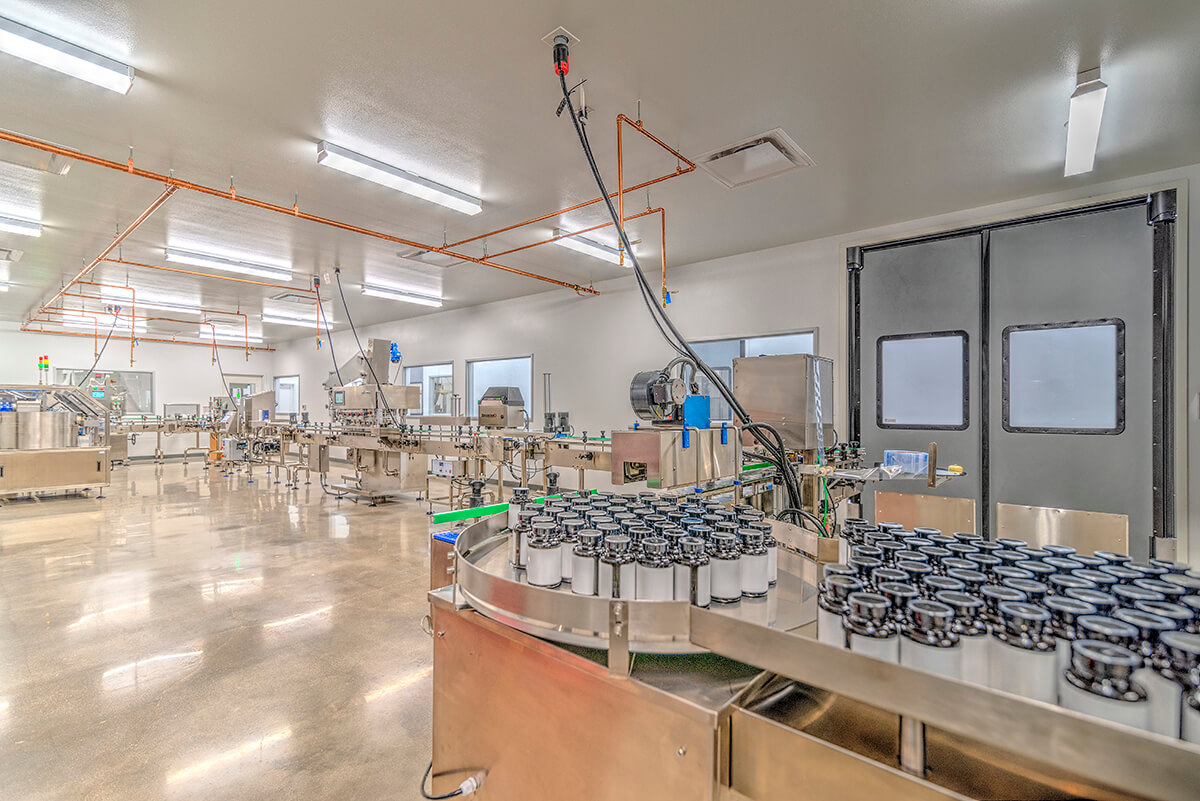
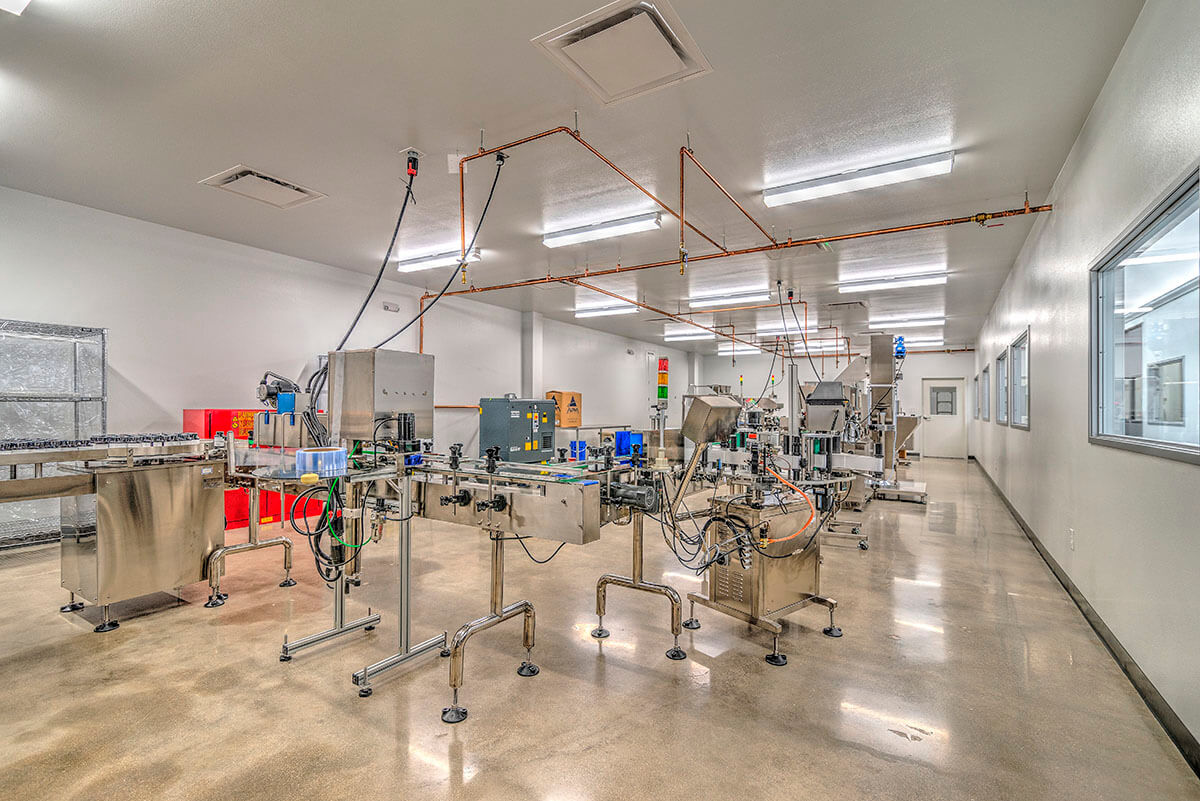
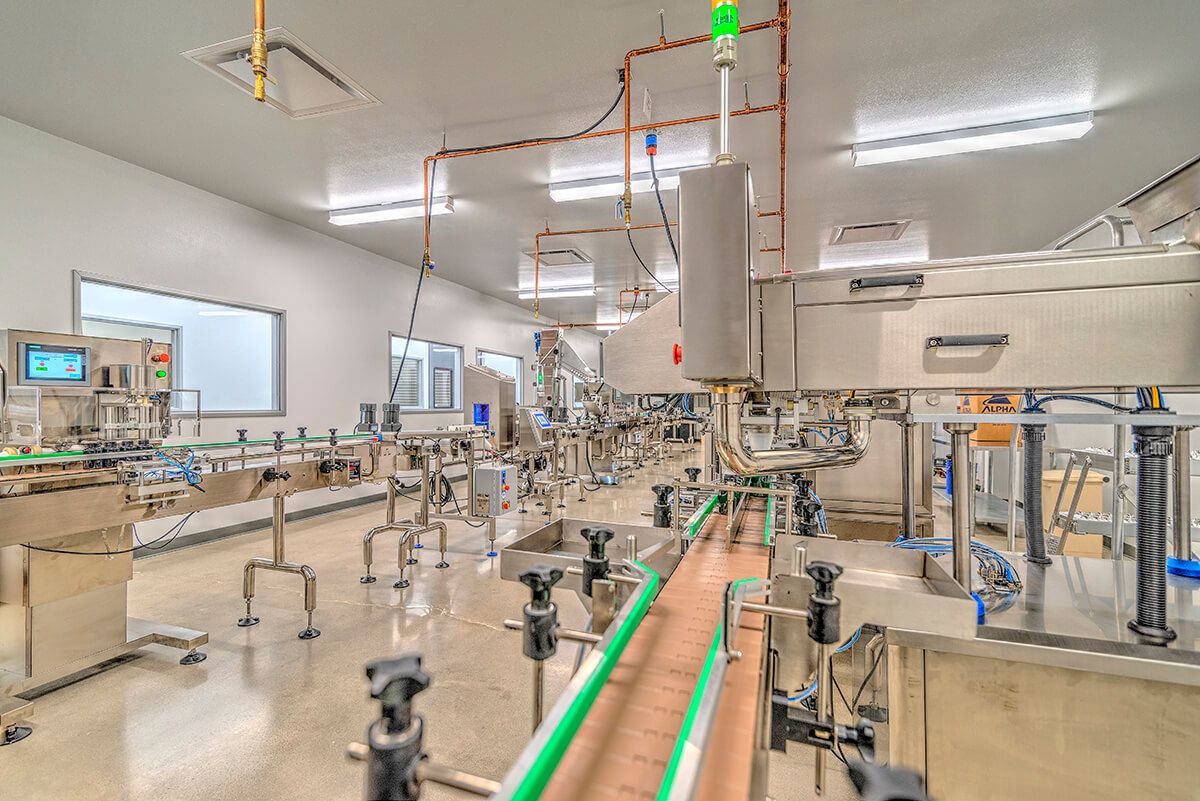
- Clients are welcome to tour the facility in person.
To understand how these standards differ, read our guides on GMP certified supplement manufacturers and NSF certified supplement manufacturers.
What If Your Manufacturer Will Not Release Your Formula?
This depends on your contract and on who developed the formula. If you supplied the formula or paid for its development under an agreement that gives you ownership, you can take it with you. If the product is the manufacturer’s house formula, you may not have that right.
In that case, reformulation is often the cleanest path. Veritacor helps brands improve existing products by upgrading ingredients, optimizing dosages, improving bioavailability, or reducing cost while keeping quality. It is a chance to build a stronger product, not just a copy of the old one.
Why Move Your Supplement Line to Veritacor?
Veritacor works as a long-term growth partner, not just a vendor. The company covers formulation, ingredient sourcing, manufacturing, packaging, and compliance guidance under one roof, and supports both small batch runs and large-scale production.
- Private label from 500 units for brands that want a fast, low-risk launch or relaunch
- Custom formulation for brands that want to differentiate
- Contract manufacturing for brands that already have a proven formula
- NDA first so your formula, ratios, and concepts stay yours
Explore our supplement contract manufacturer, private label supplement manufacturer, and custom supplement manufacturer services to see which model fits your product.
Ready to Move Your Supplement Line Without the Stress?
A smooth transfer comes down to preparation, a qualified partner, and a planned overlap. If you are ready to work with a reliable contract manufacturer of dietary supplements, Veritacor will review your formula, outline a transfer plan, and keep your launch on schedule.
Ready to move your supplement line to a trusted USA manufacturer?
Request your free quote today and let Veritacor protect your supply chain.
Contact: info@veritacor.com | +1 (830) 875-5222